Speak In The Moment: Playful Paths To Unscripted Dialogue
Today we dive into improvisation-based activities to boost spontaneous conversation, transforming hesitation into curiosity, listening into momentum, and silence into playful possibility. Through lively games, gentle constraints, and joyful risk-taking, you’ll practice accepting offers, building on ideas, and connecting faster with warmth. Whether you teach, coach, facilitate, or simply want livelier everyday chats, these approaches invite laughter, insight, confidence, and community. Share your wins, subscribe for weekly prompts, and keep the dialogue deliciously unscripted.
Start With Safety And Spark
Before words fly, create a foundation where playful risks feel welcome and everyone is heard. Simple, energizing starters warm bodies and minds, while shared agreements turn mistakes into fuel for learning. We’ll combine names, claps, circles, and quick noticing drills that loosen tongues, build trust, and quiet inner critics. Try them solo, in pairs, or groups, and invite readers to remix and report back with favorite variations and surprising outcomes.
Warm-Up Trio For Instant Energy
Zip‑Zap‑Zop wakes attention and shared focus; Shakeout releases tension and invites laughter; Five Things sparks speedy recall with supportive cheering. Rotate leaders rapidly, keep stakes low, and celebrate tiny stumbles loudly. After three minutes, notice brighter eyes, quicker responses, and a friendlier willingness to jump first.
Create Psychological Safety
Begin with consent, clear boundaries, and an agreement that everything said inside games stays kind, specific, and nonjudgmental. Model brave imperfection by going first. Use short rounds, opt‑out signals, and paired play. End with appreciations, reinforcing that mistakes are data, risks are gifts, and laughter builds belonging.
Offer, Accept, Advance
Use quick trios: one person makes an offer, the second says “Yes, and…,” the third summarizes and advances with a concrete next step. Rotate roles rapidly. In daily life, replace reflexive “but” with curious “and,” then add a clarifying question or small helpful action.
Status Shifts In Everyday Talk
Borrow the high‑low status lens to notice when you over‑explain, apologize, or dominate. Play two rounds exploring different postures, tones, and vocabularies, then mix them to find balanced presence. This awareness softens power struggles and makes spontaneous exchanges feel safer, kinder, and more flexible.
Listening Games That Tune Ears
Try Last Word, where you begin your sentence using your partner’s final word, forcing full attention. Add Mirror Talk, matching tempo and facial cues. Finish with Expert Interview, spotlighting specificity. These drills upgrade auditory patience, empathy, and shared timing, making free‑flowing conversation easier everywhere you wander.
Wordplay That Unblocks The Tongue
Language loosens when fear steps aside. Fast, rules‑light word games remove pressure to be clever and reward presence instead. By prioritizing speed, pattern recognition, and joyful nonsense, you’ll bypass perfectionism, discover unexpected connections, and prime your brain for nimble, generous exchanges in classrooms, meetings, hallways, and kitchens.
One‑Word Story, Real-Life Payoff
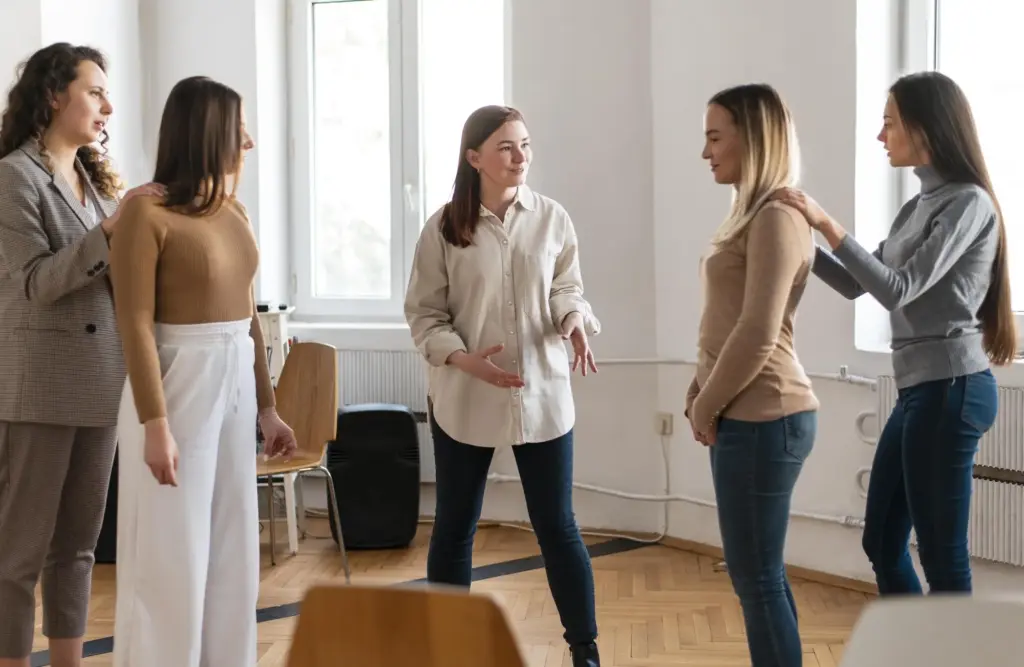
Build a narrative one word at a time, keeping eye contact and steady rhythm. Add a genre suggestion for playful color. This trains concise contributions, turn‑taking, and trust that partners will catch you. Later, notice smoother small talk intros, clearer hand‑offs, and fewer interruptions during collaboration.

Association Webs Without Filters
Run rapid association chains around a circle or in pairs, prohibiting self‑corrections. Celebrate left‑turn leaps, surprising images, and delightful misfires. The goal is momentum, not meaning. After several minutes, invite brief reflection on patterns, emotional shifts, and how lowered judgment changed fluency, humor, and willingness to contribute.
Characters, Roles, And Real Situations
Transplant the playfulness into authentic contexts—networking hellos, difficult feedback, customer care, cross‑cultural chats, or academic office hours. Brief character or role prompts reduce self‑consciousness and reveal choices about tone, questions, and boundaries. Practiced lightly, these repetitions generate resilience, empathy, and faster retrieval of useful phrases under pressure.

Overcoming Anxiety And Building Confidence
Nerves fade when stakes shrink and evidence of success accumulates. Combining tiny challenges, celebration of mistakes, and breath‑based grounding creates a repeatable path from avoidance to play. Research on exposure and self‑efficacy supports gradual progression. Track micro‑wins, invite peers’ applause, and watch spontaneous conversation blossom reliably.
Tiny Dares, Big Wins
Set micro‑goals: initiate one playful question with a stranger, name three observations before opinions, or ask for a whimsical suggestion. Log what happened, how your body felt, and what you learned. Small, consistent repetitions beat heroic efforts and quietly rewire confidence pathways across situations.
Applause For Mistakes
Borrow the classic ritual: when something flops, everyone claps and shouts, “I failed!” with a grin. This turns error into data and rewires fear responses. Debrief immediately for insights, then repeat quickly. Joyful resilience becomes the default, unlocking bolder, more generous conversational choices next time.
Remote And Hybrid Play
Spontaneity thrives online when friction is designed away. Crisp prompts, visible timers, and thoughtful breakout sizes keep energy high. Switch mediums—voice, chat, whiteboards—to multiply participation. Latency becomes a gift when framed as extra noticing time. Expect surprising intimacy, wide inclusion, and portable skills that transfer immediately offline.
Camera, Chat, And Breakouts
Rotate through lightning trios, then pairs, then whole‑group reflections. Use gallery view mirroring, chat‑only scenes, and emoji applause for mistakes. Assign roles with on‑screen labels. Keep rounds under three minutes. The rapid cadence prevents drift, sustains courage, and makes unscripted contributions feel light, safe, and invigorating.
Props And Visual Offers
Invite participants to grab nearby objects and justify them as tools, gifts, or metaphors on camera. Use shared whiteboards for One‑Word Story, drawing each word as a symbol. Visual anchors spark memory, reduce verbal pressure, and generate delightful pivots that carry into face‑to‑face conversations later.
Timing Games For Lag
Turn delay into design with One‑Beat‑Late responses, slow‑motion mirroring, and staggered storytelling where each person adds a sentence after a visible two‑count. Name the constraint, laugh together at misfires, and notice how intentional spaciousness sharpens attention, humor, and spontaneity without anyone rushing or freezing.